Apartment inspection areas
An overview of the main inspection categories covered in the Selnuke workshop. The complete method, testing sequences, and documentation approach are taught in the session.
This page provides an educational overview of inspection areas relevant to new apartment deliveries in Chile. It is not a substitute for the full workshop. The complete protocol — including testing sequences, tools, documentation methods, and legal context — is covered in the 4-hour training session.
Inspection areas by space
A systematic room-by-room approach ensures consistent coverage across the entire apartment.
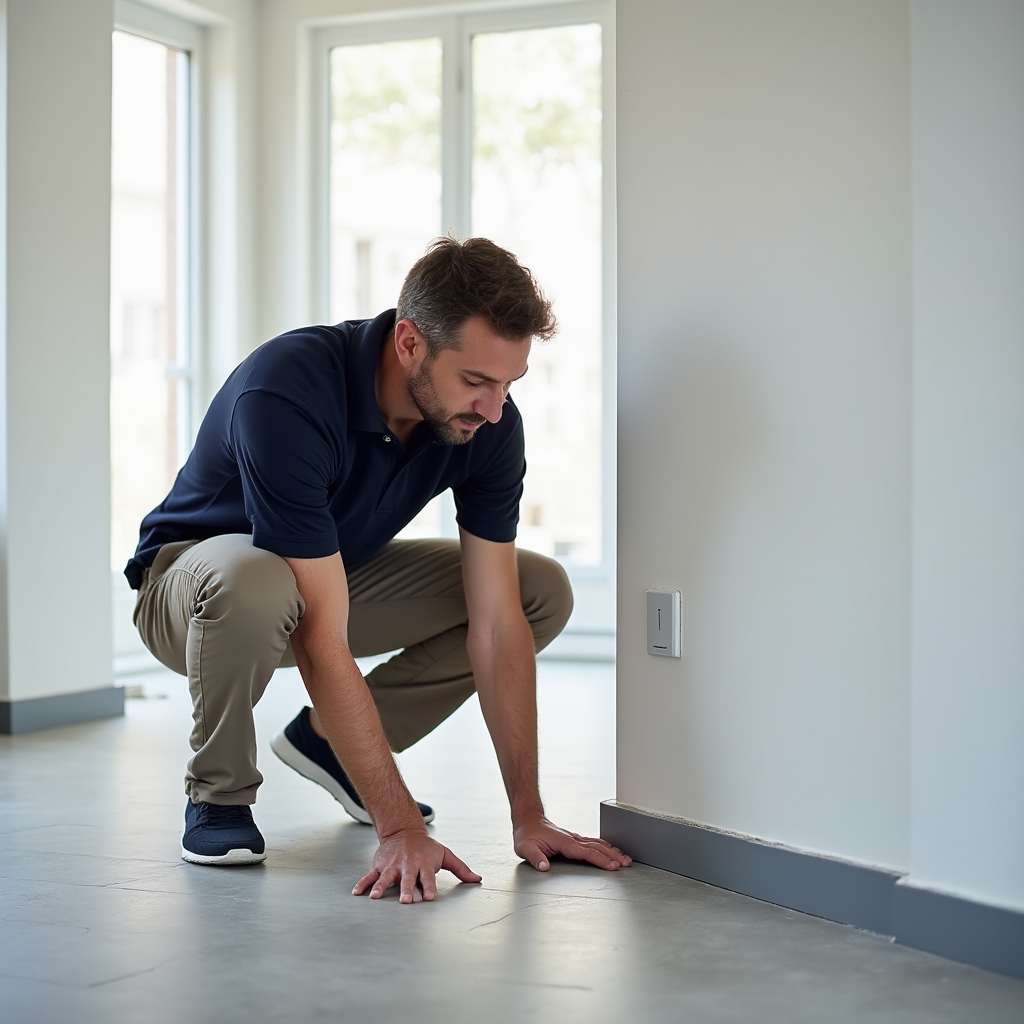
Living Areas & Bedrooms
Living rooms and bedrooms are the largest spaces and contain the most surface area to review. Flooring, walls, ceiling, and all electrical points require systematic verification.
- Floor levelness and finish quality across the full area
- Wall paint coverage, uniformity, and defect identification
- Ceiling finish and junction with walls
- All electrical outlets tested for functionality and grounding
- Light switch operation and fixture installation
- Window frame alignment, seal quality, and handle operation
- Closet door alignment, track operation, and interior finish
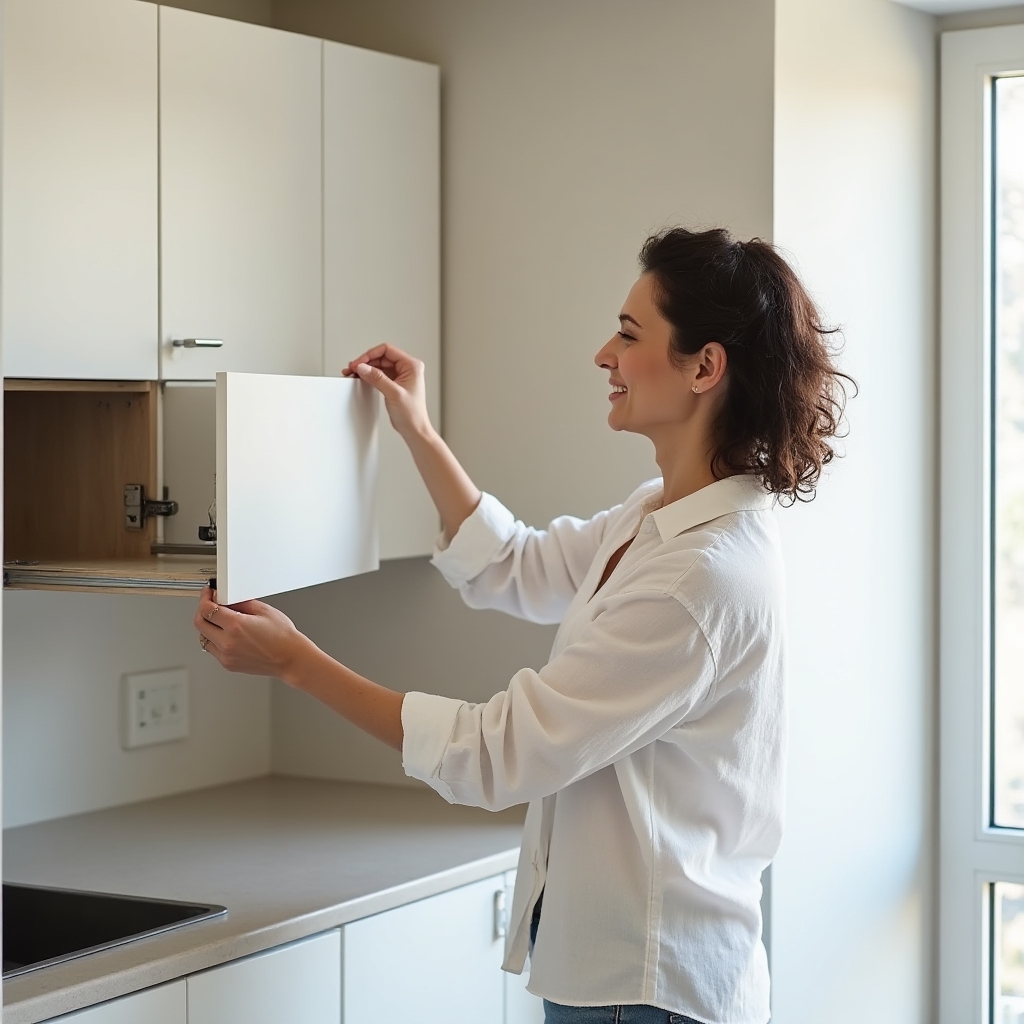
Kitchen
The kitchen combines surface finishes, cabinetry, plumbing connections, and electrical installations — making it one of the most complex spaces to inspect thoroughly.
- Cabinet alignment, door operation, and interior finish
- Countertop surface, edge finish, and silicone seal
- Sink installation, faucet function, and drain flow
- Under-sink plumbing connections and water supply shutoffs
- Ceramic tile alignment and grout quality on walls and floor
- Electrical outlets, hood connection point, and appliance circuits
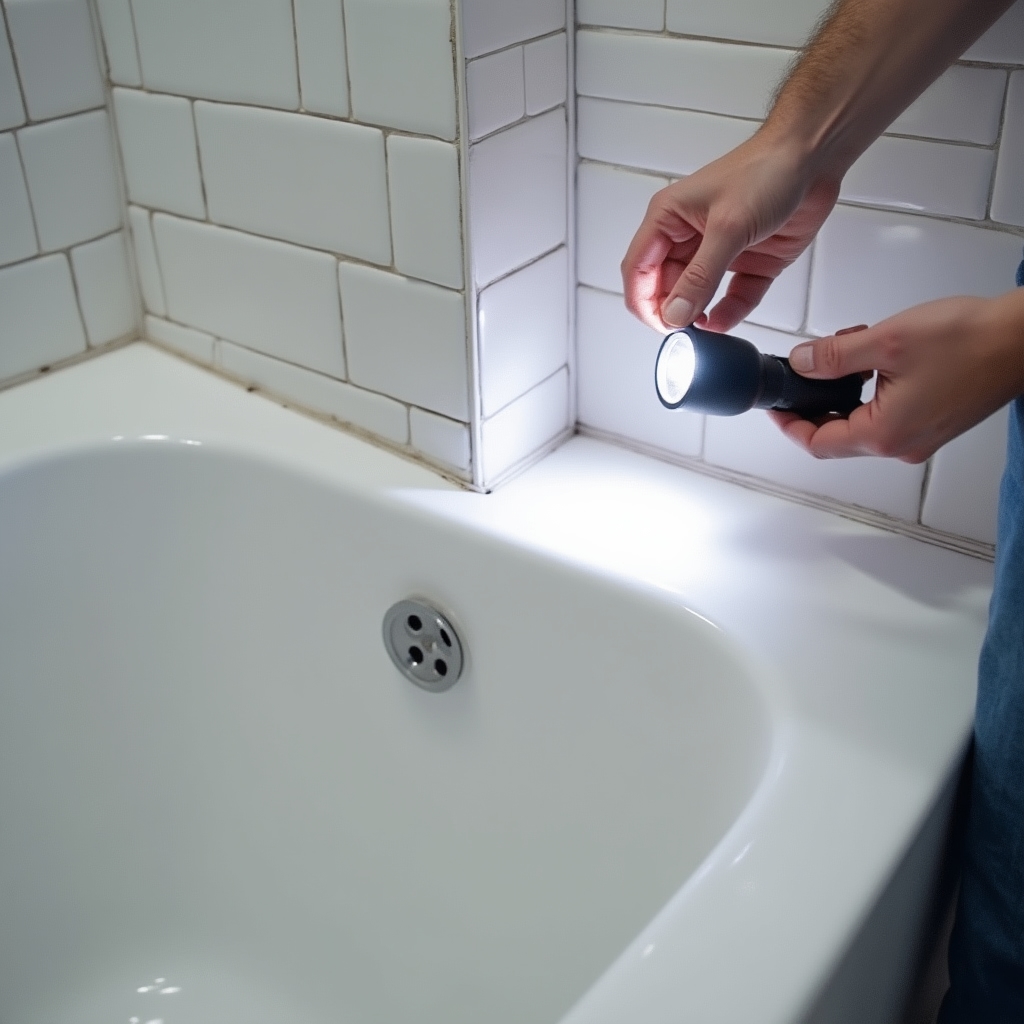
Bathrooms
Bathrooms are the highest-risk area for post-delivery defects. Water exposure makes improperly installed elements deteriorate quickly, and warranty claims for water damage are complex. Thorough inspection here is critical.
- All ceramic tiles — alignment, grout, hollow spots, and cracks
- Silicone seals at all junctions — tub, shower, basin, and floor
- Water pressure and flow at all outlets simultaneously
- Hot water response time and temperature stability
- Drain flow rate and trap installation
- Toilet installation, flush mechanism, and seat quality
- Ventilation fan operation and duct connection
Elements that span the entire apartment
Some inspection categories apply across all rooms and must be reviewed throughout the apartment.
Electrical System Overview
The electrical panel should be complete, labeled, and accessible. Every circuit breaker must correspond to a labeled zone. All outlets and switches throughout the apartment must be tested. Grounding must be verified at each outlet.
All Doors & Hardware
Every door — entry, interior, bathroom, closet — must be tested for alignment, swing clearance, latch engagement, and lock function. Hinges should be secure and gap between door and frame consistent on all sides.
Paint & Surface Finish
Paint must be applied uniformly with consistent coverage. Look for bubbling, peeling, color variation, and unfinished areas. Check junctions between walls and ceiling, and between walls and floor, for gaps or poor finishing.
All Windows & Glazing
Each window must be opened, closed, and locked. Frame-to-wall seal integrity is critical for waterproofing and thermal performance. Check for condensation between double-glazed panels, which indicates a failed seal.
Water System Verification
Run all water outlets simultaneously to test pressure under load. Check all supply shutoff valves for operation. Inspect visible pipe connections and joints for moisture or staining that may indicate a slow leak.
How to Record Defects
Each defect must be photographed with context (showing location in the space) and in close-up (showing the defect clearly). The delivery certificate should note each defect by location and description before signing. The workshop covers this process in detail.
Warranty framework in Chile
Chilean construction law establishes specific warranty obligations that buyers should understand before delivery day.
Post-Sale Warranty Obligations
The Ley General de Urbanismo y Construcciones (LGUC) and related regulations establish warranty obligations for new residential construction in Chile. These obligations cover different elements for different periods, and the clock typically starts from the date of the final municipal building permit (Recepción Municipal).
Important: Defects must be documented and claimed within the applicable warranty period. Defects discovered after the warranty period may not be covered, regardless of when they first appeared.
The workshop covers the relevant legal framework in detail, including how to identify which warranty category applies to each type of defect and how to file a claim correctly with the developer.
What the Workshop Covers
The legal module of the workshop addresses the practical aspects of warranty rights for apartment buyers:
- Overview of warranty periods by defect category
- How to identify which defects fall under which category
- The role of the delivery certificate (acta de entrega)
- How to document defects for a valid warranty claim
- The after-sales process with developers
- Consumer protection resources available in Chile
This content is provided for educational purposes. For specific legal advice regarding your situation, consult a qualified legal professional.
The complete method is in the workshop
This guide provides an overview. The full inspection protocol — with testing sequences, tools, documentation, and legal context — is covered in the 4-hour training session.